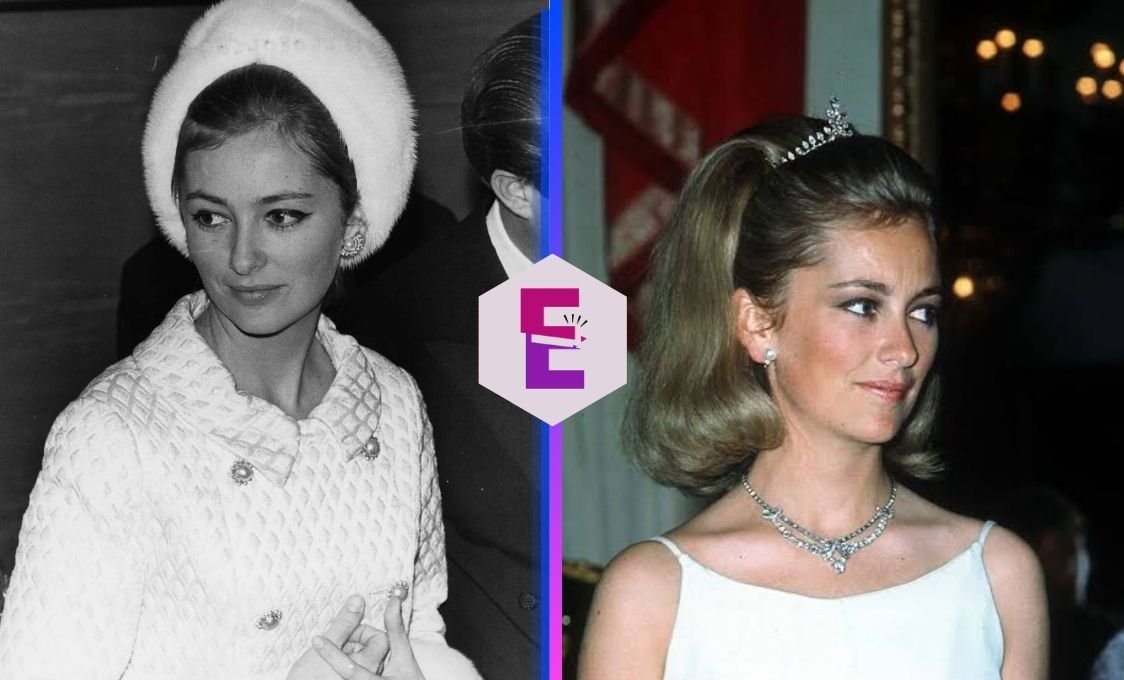
Queen Paola of Belgium has long been an important figure in the modern history of the Belgian royal family. Born into an Italian aristocratic family, she eventually became the wife of King Albert II and served as Queen of the Belgians during a period of significant change for Belgium.
Her story is interesting not simply because she married into royalty, but because of the way she developed her own interests and public responsibilities over the years. Culture, education, heritage, young people, and the arts became closely associated with her public work.
Although she is no longer the reigning queen, Queen Paola remains a respected member of the Belgian royal family. Her life also connects several generations of the monarchy, from her marriage to Albert II to her role as the mother of King Philippe and grandmother of Princess Elisabeth, Duchess of Brabant.
Quick Bio of Queen Paola of Belgium
| Detail | Information |
|---|---|
| Full name | Paola Ruffo di Calabria |
| Royal title | Queen Paola |
| Born | September 11, 1937 |
| Birthplace | Forte dei Marmi, Italy |
| Nationality | Italian-born Belgian royal |
| Father | Prince Fulco Ruffo di Calabria |
| Mother | Countess Luisa Gazelli |
| Siblings | Six |
| Husband | King Albert II |
| Marriage | July 2, 1959 |
| Children | Philippe, Astrid, Laurent |
| Reign as Queen | 1993–2013 |
| Current status | Former Queen of the Belgians |
| Known for | Royal service, culture, education, heritage, youth initiatives |
Who Is Queen Paola of Belgium?
Queen Paola of Belgium was born Princess Paola Ruffo di Calabria on September 11, 1937, in Forte dei Marmi, Italy. She was the youngest of seven children born to Prince Fulco Ruffo di Calabria and Countess Luisa Gazelli. Her paternal grandmother, Laure Mosselman du Chenoy, had Belgian roots, giving her family an established connection to Belgium even before her marriage into the Belgian royal family.
She spent her childhood and teenage years primarily in Rome. According to the Belgian Monarchy, she completed a classical secondary education that included Latin and Greek. Her upbringing was therefore strongly connected to European aristocratic and cultural traditions.
Her life changed significantly when she met Prince Albert of Belgium. Their relationship eventually led to marriage in 1959, and Paola became Princess of Belgium. Decades later, when Albert became king, she became Queen of the Belgians.
Queen Paola’s public identity has never been limited to her title. Over the years, she developed a particular interest in social and cultural causes, including young people’s education, Belgian heritage, contemporary art, music, and traditional crafts.
Queen Paola of Belgium’s Early Life and Family Background
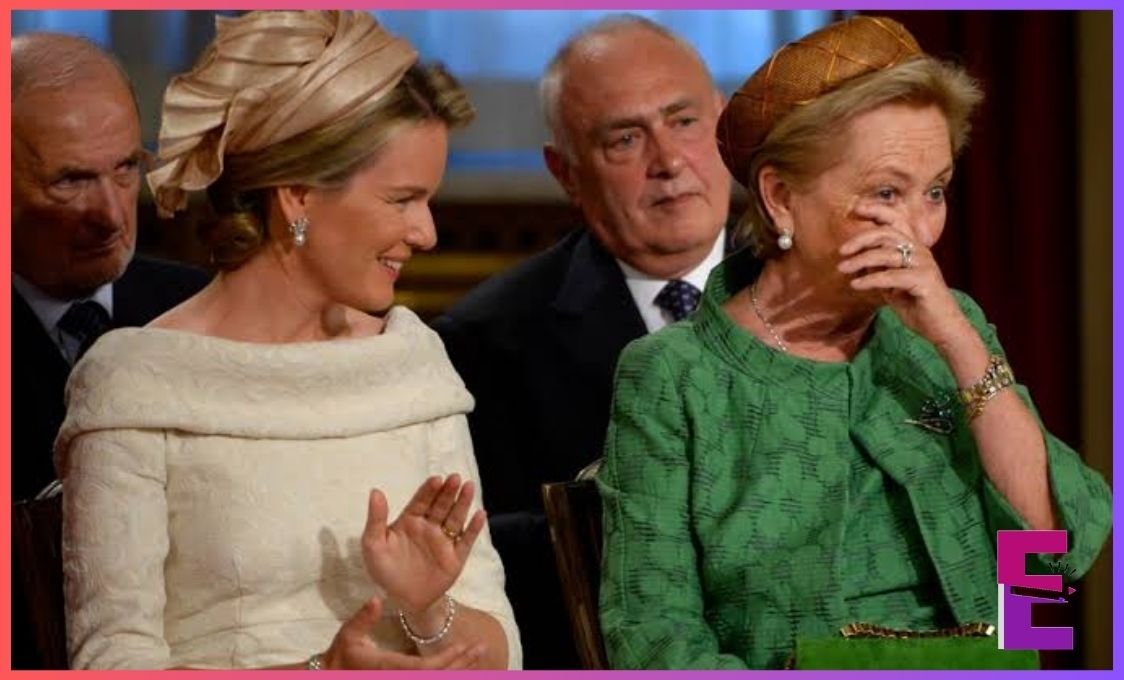
Queen Paola was born into the historic Ruffo di Calabria family, an Italian aristocratic family with a long European background. Her father, Prince Fulco Ruffo di Calabria, was known as a First World War flying ace, while her mother was Countess Luisa Gazelli. Paola was the youngest of their seven children.
Growing up as one of seven siblings meant that family was naturally an important part of her early life. Her childhood took place during a complicated period in European history, and her family background exposed her to both Italian culture and wider European traditions.
Rome played a particularly important role in her upbringing. She completed her secondary education there, studying classical subjects that included Latin and Greek. This educational background helped establish an interest in culture and the arts that would remain visible throughout her later public life.
There was also a Belgian connection within her family tree. Her paternal grandmother, Laure Mosselman du Chenoy, was Belgian. That connection became particularly significant after Paola’s marriage to Prince Albert and her eventual transition from Italian princess to Belgian royal.
Queen Paola’s Meeting With Prince Albert
One of the defining chapters in Queen Paola’s life was her relationship with Prince Albert of Belgium. At the time, neither could have known exactly how important their relationship would become to the Belgian monarchy.
The couple married on July 2, 1959. Paola became Princess Paola of Belgium, while Albert continued his place within the Belgian royal family. Their marriage eventually produced three children: Prince Philippe, Princess Astrid, and Prince Laurent.
Marriage to Albert placed Paola in the center of Belgian public life. Royal responsibilities meant that her role gradually expanded beyond family life. She participated in official activities and accompanied Albert on numerous occasions while also developing causes that reflected her own interests.
Their marriage lasted through several major stages of Belgian history. Albert eventually became King Albert II in 1993, making Paola Queen of the Belgians. Their time together therefore covered the transition from a young royal couple to one of Belgium’s most recognizable royal partnerships.
Queen Paola and King Albert II’s Marriage
Queen Paola and King Albert II were married for more than five decades, making their relationship one of the longer royal marriages in modern Belgian history. Their marriage began in 1959, when Albert was still Prince of Liège and Paola was an Italian-born princess.
Their family grew with the births of their three children. Prince Philippe was born in 1960, Princess Astrid in 1962, and Prince Laurent in 1963. The children later developed their own roles within Belgian public life.
The couple’s relationship also evolved as their responsibilities changed. When Albert became king in 1993 following the death of his brother, King Baudouin, Paola moved into the role of queen consort.
Their marriage continued after Albert’s abdication in 2013. When Prince Philippe succeeded Albert as king, Albert and Paola became former monarchs while remaining members of the Belgian royal family.
When Did Queen Paola Become Queen of Belgium?
Queen Paola became Queen of the Belgians in 1993, following the accession of her husband, Albert II, to the Belgian throne.
Before becoming king, Albert was a prince within the Belgian royal family. The death of King Baudouin in 1993 changed the line of succession and resulted in Albert becoming the new monarch. Paola consequently became queen.
Her time as queen lasted until July 21, 2013. On that date, King Albert II abdicated in favor of their son, Philippe. Prince Philippe then became the seventh King of the Belgians.
This transition was significant for the Belgian monarchy because it represented a peaceful generational change. Paola’s position changed from reigning queen to former queen, but she remained active in the royal family’s broader cultural and social life.
Queen Paola’s Children and Family
Family has always been an important part of Queen Paola’s story. She and King Albert II have three children: Philippe, Astrid, and Laurent. Each later developed a distinct public role within Belgium.
Their eldest child, Philippe, was born on April 15, 1960. He eventually became King Philippe in 2013 after Albert II’s abdication. His wife, Queen Mathilde, and their four children now represent the next generation of the Belgian royal family.
Princess Astrid, born in 1962, also became a prominent member of the royal family. She has represented Belgium at official events and international missions. Prince Laurent, the youngest child, has likewise remained part of the wider royal family.
Queen Paola’s role therefore extends beyond her own generation. She is the mother of the reigning king and grandmother to Princess Elisabeth, who is first in line to the Belgian throne.
Queen Paola as the Mother of King Philippe
Queen Paola’s connection with the present Belgian monarchy is particularly strong because her eldest son, Philippe, became king in 2013.
Philippe was born in Brussels in 1960 and received a broad education before entering public life. He studied at the Royal Military Academy, trained with the Belgian Air Force, and later continued his education at Oxford and Stanford University.
As he grew into his role as heir apparent, Philippe took on increasing responsibilities. His work included international economic missions, sustainable development, social issues, and efforts to strengthen Belgium’s international profile.
Queen Paola therefore witnessed her son move through several stages of royal life, from childhood to crown prince and ultimately to king. Her family story is closely intertwined with the current generation of Belgium’s monarchy.
Queen Paola’s Public and Royal Career
Unlike a political career, Queen Paola’s public career was centered on royal representation, cultural interests, charitable causes, and social initiatives.
During her years as queen, she accompanied King Albert II at official engagements and supported various causes. Her interests frequently centered on culture, education, heritage, young people, and the arts.
The Belgian Monarchy describes her work as focusing particularly on social and cultural areas. She also became involved with organizations and initiatives connected with youth integration and education.
Her public role showed that royal influence does not always have to involve formal political authority. Instead, a queen can use visibility and patronage to draw attention to cultural and social issues.
Queen Paola Foundation and Her Work With Young People
One of Queen Paola’s most notable initiatives is the Queen Paola Foundation, established in 1992.
The foundation focuses on young people, integration, education, and support for teachers. Its activities have included attention to social integration and schools operating in socio-economically disadvantaged areas.
The foundation reflects one of the recurring themes in Paola’s public work: giving young people better opportunities. Rather than concentrating only on ceremonial responsibilities, she became associated with projects addressing practical social challenges.
Her interest in education also fits naturally with her broader cultural interests. Over the years, she has supported initiatives that encourage learning, creativity, and greater inclusion.
Queen Paola and Belgian Culture
Culture has been one of the strongest themes in Queen Paola’s public life. She has shown a particular interest in art, music, literature, heritage, and traditional craftsmanship.
She has supported artistic exhibitions and performances both in Belgium and abroad. The Belgian Monarchy also notes that, through her initiative, contemporary artists were given opportunities to create original works within the Royal Palace in Brussels.
This interest has helped connect the royal family with Belgium’s creative community. Rather than treating cultural heritage as something frozen in the past, Paola has shown interest in both historic traditions and contemporary artistic expression.
Her support for craftsmanship is another example. She has encouraged both traditional and modern crafts, particularly efforts to preserve and teach craft professions.
Queen Paola and Belgian Heritage
Preserving Belgium’s heritage has also been an important part of Queen Paola’s public interests.
She has visited heritage sites across the country, including beguinages and locations connected with Belgium’s early industrial history. Such visits helped highlight the importance of preserving historic places for future generations.
Her approach to heritage reflects her wider appreciation for European history and culture. Having grown up in Rome with a classical education, she developed an appreciation for historic architecture, art, literature, and music.
Her work in this area was not about politics. Instead, it was about maintaining a connection between Belgium’s past and its cultural identity in the present.
Queen Paola’s Love of Art, Music, and Literature
Queen Paola is widely associated with her interest in the arts. Her official biography lists literature, music, and travel among her personal interests.
She has supported exhibitions and artistic events and has maintained close connections with cultural institutions. She is also honorary chair of the Queen Elisabeth Music Chapel, reflecting her long-standing relationship with the musical world.
Music has been another important part of her public life. Classical music in particular fits naturally with her broader cultural interests, although her appreciation extends beyond a single artistic genre.
These interests have given her public profile a distinctly cultural character. For Queen Paola, royal service has often involved promoting creativity and ensuring that Belgian cultural traditions remain visible.
Queen Paola and the Queen Elisabeth Music Tradition
The Queen Elisabeth musical tradition is one of Belgium’s best-known cultural institutions, and Queen Paola has maintained a connection with it.
She serves as honorary chair of the Queen Elisabeth Music Chapel. The institution is closely associated with musical education and the development of talented performers.
Her involvement reflects the importance she has placed on supporting young artistic talent. Music, education, and cultural development frequently overlap in the causes she has supported.
This is another example of how Queen Paola built a public role around interests that extended beyond conventional royal ceremony.
Queen Paola’s Life After Leaving the Throne
King Albert II abdicated on July 21, 2013, and their son Philippe became king. This brought Queen Paola’s official period as a reigning queen to an end.
However, stepping away from the throne did not erase her place within the royal family. Albert and Paola continued to be recognized as important senior members of the Belgian monarchy.
Their later life has included family, cultural interests, and selected public engagements. The Belgian Monarchy notes that Queen Paola particularly enjoys spending time with her grandchildren and taking walks in the forest with Albert.
This period has offered a quieter chapter of her life. Instead of carrying the full expectations attached to being the wife of a reigning monarch, she has been able to focus more on family and personal interests.
Queen Paola’s Role as a Grandmother
Queen Paola’s family story entered another stage as her children began raising families of their own.
Her eldest son, King Philippe, and Queen Mathilde have four children: Princess Elisabeth, Prince Gabriel, Prince Emmanuel, and Princess Eléonore. Princess Elisabeth, the eldest, is the Duchess of Brabant and heir apparent.
For Paola, this means that her royal legacy continues through another generation. She is no longer the queen at the center of official ceremonies, but she remains part of a family that sits at the heart of Belgium’s constitutional monarchy.
Her official biography specifically mentions her affection for spending time with her grandchildren. Family, therefore, remains an important part of her life away from formal royal duties.
Queen Paola’s Personal Interests and Lifestyle
Queen Paola’s personal interests reveal a side of her life that is less formal than the public image associated with royalty.
She enjoys reading, music, and travel, with particular affection for travel in Europe and Africa. She also enjoys nature and long walks.
Her appreciation of nature is something she shares with King Albert II. Their official biography notes that the couple enjoys long walks in the forest, particularly as a way of appreciating the changing seasons.
These interests help create a picture of Paola beyond royal ceremonies. Her life has involved public responsibilities, but it has also included family, books, music, travel, art, and time outdoors.
Queen Paola’s Italian Heritage and Belgian Identity
One of the most interesting aspects of Queen Paola’s biography is the combination of her Italian origins and Belgian royal identity.
She was born and raised in Italy, yet she had Belgian ancestry through her paternal grandmother. Her marriage to Albert brought her permanently into the Belgian royal family.
Over time, Belgium became the country with which she was publicly identified. As queen, she represented Belgium at official events and supported Belgian cultural and social initiatives.
Her background also gave her an international European identity. This combination of Italian heritage and Belgian royal life became a distinctive part of her personal story.
Queen Paola’s Relationship With Belgian Society
As queen, Paola’s public role involved more than attending formal ceremonies. She used her position to support organizations and causes connected with education, culture, youth, and heritage.
Her interest in young people was particularly visible through the Queen Paola Foundation. Her cultural interests also gave her opportunities to interact with artists, musicians, craftspeople, educators, and heritage organizations.
This helped create a public identity that was more closely associated with cultural and social engagement than political commentary.
As a constitutional monarchy, Belgium’s royal family does not govern the country in the political sense. Instead, members of the royal family perform representative and ceremonial roles while supporting causes of public interest.
Queen Paola’s Royal Legacy
Queen Paola’s legacy can be understood through several connected themes: family, culture, education, youth, and heritage.
Her marriage to Albert II placed her within the heart of Belgian royal history for more than half a century. Her children continued that connection, with Philippe eventually becoming King of the Belgians.
At the same time, her own interests gave her a separate identity. Her involvement with education, young people, art, music, and heritage became important parts of her public contribution.
Her legacy is therefore not limited to the years when she was queen. Her influence can also be seen through the cultural and social initiatives she supported and through the family she helped raise.
What Makes Queen Paola of Belgium’s Story Interesting?
Queen Paola’s biography is unusual because it brings together several different European identities and historical periods.
She began life as an Italian princess, married into the Belgian royal family, became the wife of a king, raised three children, served as queen, and later became a grandmother to the next generation of Belgian royals.
Her story also demonstrates how a royal figure can develop a meaningful public role without holding political power. Through patronage and charitable involvement, Paola brought attention to issues such as education, youth integration, culture, and heritage.
Perhaps most importantly, her life illustrates the gradual transformation of a European aristocrat into a Belgian national figure. Her Italian origins remained part of her identity, but her decades of life and service in Belgium made her an important figure in the country’s modern royal history.
Final Thoughts on Queen Paola of Belgium
Queen Paola of Belgium has lived through one of the most interesting periods in the country’s modern monarchy. Born in Italy in 1937, she entered Belgian royal life through her marriage to Prince Albert in 1959 and eventually became queen when Albert II ascended the throne in 1993.
Her time as queen ended with Albert’s abdication in 2013, but her connection to the Belgian monarchy continued through her son, King Philippe, and her grandchildren, including Princess Elisabeth, Duchess of Brabant.
Beyond titles and royal ceremonies, Paola developed a reputation for supporting culture, education, young people, heritage, music, and the arts. The Queen Paola Foundation remains an especially notable part of her public legacy.
Today, Queen Paola is best understood not simply as the former queen consort of Belgium, but as a member of a royal family spanning several generations. Her journey from Italian princess to Belgian queen and senior royal has made her an enduring figure in Belgian history.
FAQs About Queen Paola of Belgium
1. Who is Queen Paola of Belgium?
Queen Paola is the former Queen of the Belgians and the wife of King Albert II. She was born Princess Paola Ruffo di Calabria in Italy in 1937 and married Prince Albert of Belgium in 1959. She became queen when Albert II succeeded to the Belgian throne in 1993.
2. When did Queen Paola of Belgium become queen?
Queen Paola became Queen of the Belgians in 1993 when her husband, Albert II, became king following the death of King Baudouin. She remained queen until Albert’s abdication in 2013.
3. Who is Queen Paola’s husband?
Queen Paola’s husband is King Albert II, the former King of the Belgians. The couple married on July 2, 1959, and have three children: Philippe, Astrid, and Laurent.
4. How many children does Queen Paola have?
Queen Paola and King Albert II have three children: King Philippe, Princess Astrid, and Prince Laurent. Philippe later succeeded his father as King of the Belgians in 2013.
5. What is Queen Paola known for?
Queen Paola is particularly known for her interest in social and cultural causes. Her work has included supporting young people, education, Belgian heritage, contemporary art, music, and traditional crafts. The Queen Paola Foundation, established in 1992, focuses especially on youth integration and education.
6. Where was Queen Paola born?
Queen Paola was born Princess Paola Ruffo di Calabria on September 11, 1937, in Forte dei Marmi, Italy. She spent her youth in Rome before marrying Prince Albert of Belgium.
You Missed: Juan Ibarra Net Worth