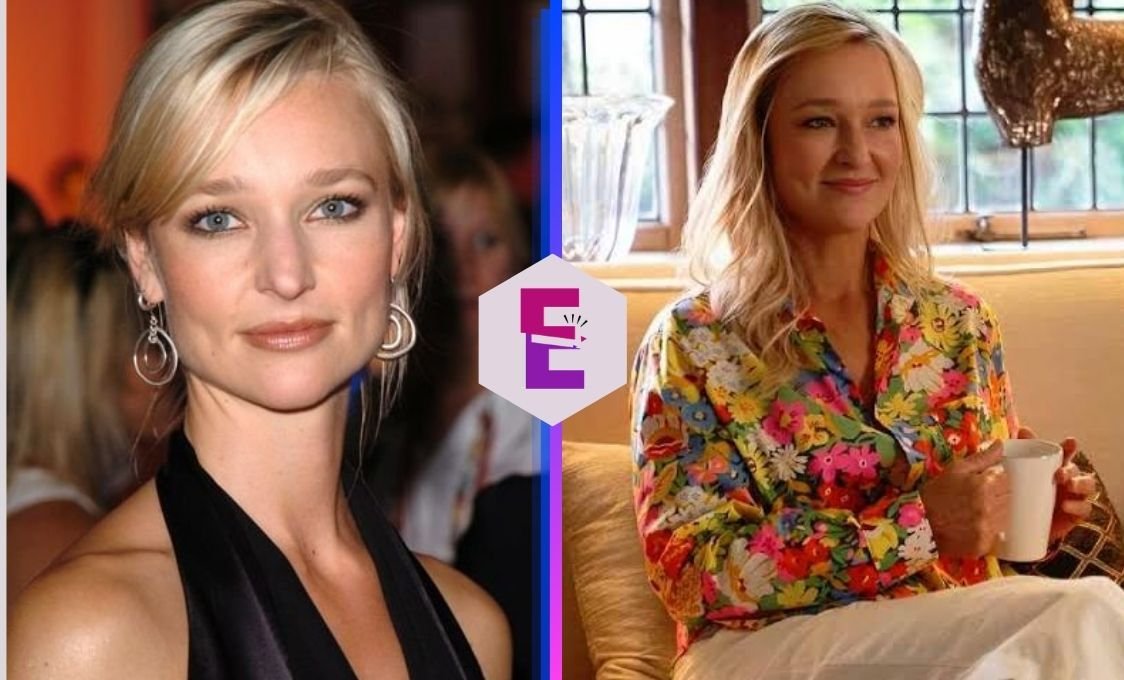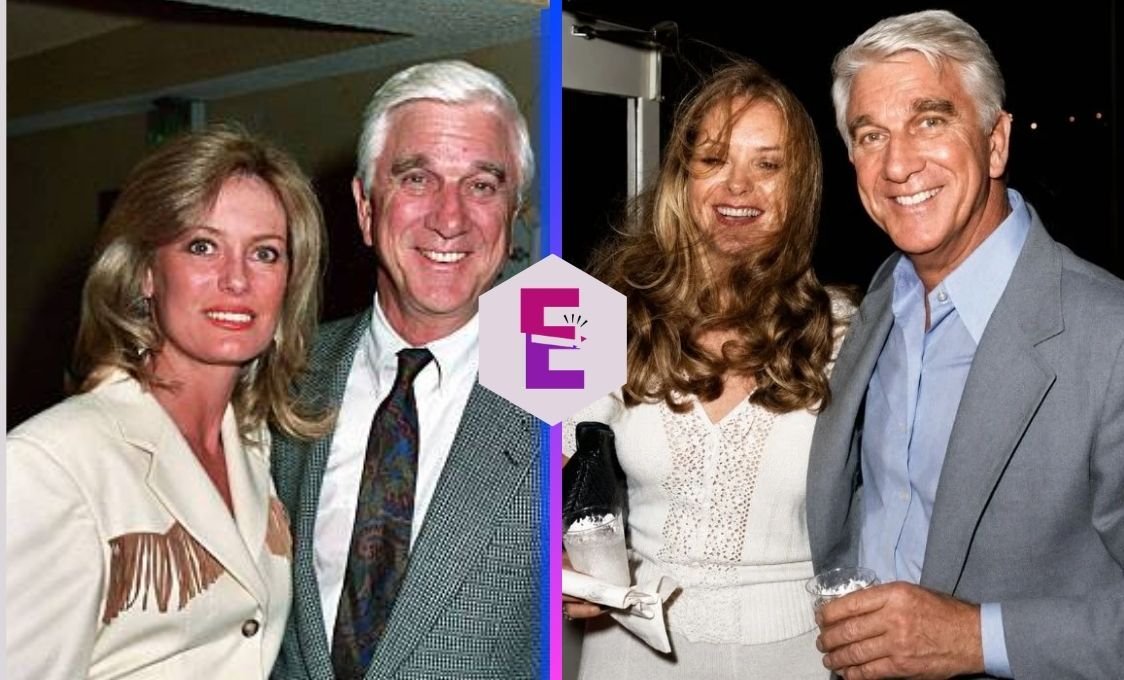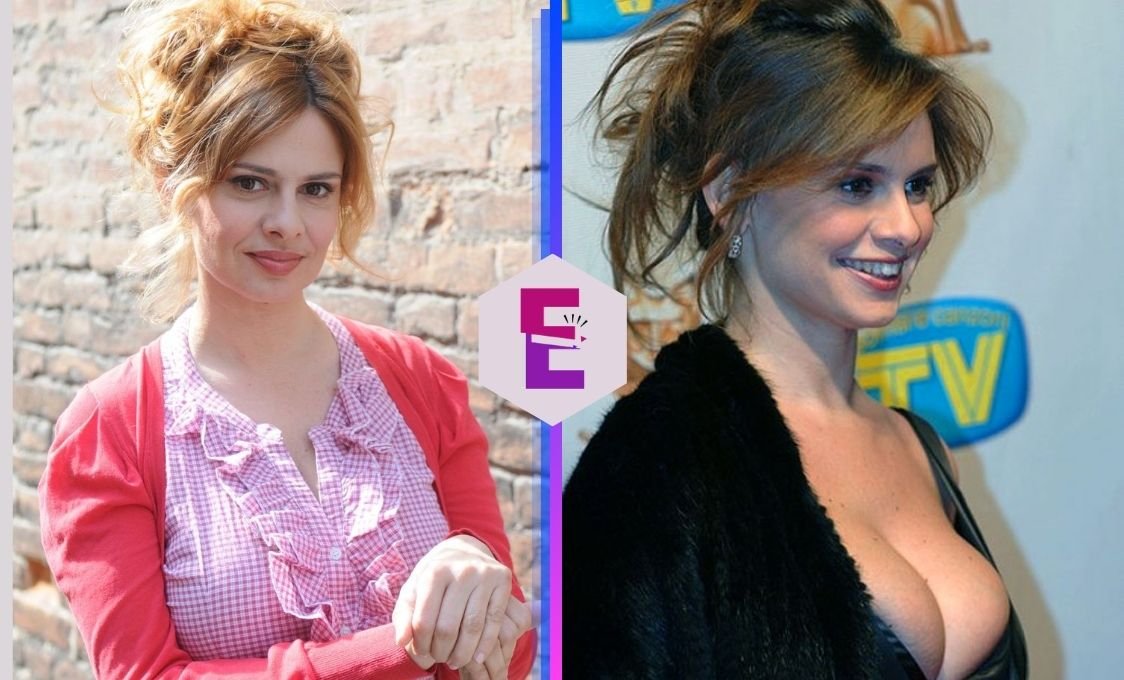
Debora Caprioglio is an Italian actress whose career has moved through several different phases of entertainment, from early film appearances to television, theater, and reality programming. Born in Mestre, near Venice, she entered the entertainment world at a young age and soon attracted attention for her screen presence.
For many international viewers, Caprioglio is particularly associated with the 1991 film Paprika, directed by Tinto Brass. The movie became one of the most recognizable titles in her filmography and played an important role in establishing her public profile. However, her career extends well beyond that single production.
Over the years, Debora Caprioglio has appeared in Italian films, television productions, and stage projects. She has also taken part in popular television programs, including L’isola dei famosi, the Italian version of the international reality-TV format. Her career demonstrates how an actress can move between different areas of entertainment while continuing to reinvent her public image.
Quick Bio of Debora Caprioglio
| Detail | Information |
|---|---|
| Full Name | Debora Caprioglio |
| Date of Birth | May 3, 1968 |
| Birthplace | Mestre, Venice, Italy |
| Nationality | Italian |
| Profession | Actress |
| Years Active | 1988–present |
| Best Known For | Paprika and Italian film and television work |
| Notable Early Collaborator | Klaus Kinski |
| Former Husband | Angelo Maresca |
| Marriage | 2008–2018 |
| Notable Reality Show | L’isola dei famosi |
| Main Fields | Film, television, theater |
Early Life and Childhood in Mestre
Debora Caprioglio was born on May 3, 1968, in Mestre, a mainland area of Venice, Italy. Growing up in the Veneto region placed her near one of Italy’s most culturally recognizable cities, although her later professional life would take her far beyond her hometown.
Her early path into entertainment came through a beauty and talent competition. Italian biographical sources report that she became a finalist, or winner depending on the account and stage of the competition, in the Un volto per il cinema contest when she was around 17 or 18 years old. That experience helped introduce her to people working in the film industry.
Rather than following a conventional route into acting, Caprioglio’s entry into cinema happened relatively quickly. She attracted the attention of actor and filmmaker Klaus Kinski, who became an important figure during the earliest stage of her career.
That connection gave her opportunities in front of the camera while she was still very young. Her early experiences also placed her in the middle of a film culture that was very different from the Italian television environment she would later become associated with.
How Debora Caprioglio Started Her Acting Career

Caprioglio’s credited film career began in 1988 with Grandi cacciatori, directed by Augusto Caminito. She appeared alongside Klaus Kinski, who was also an important professional influence during this period.
Her early film work quickly expanded. In 1989, she appeared in Kinski Paganini, directed by Kinski himself. In that production, she was credited as Debora Kinski, although she was never married to Klaus Kinski. The unusual credit reflected the close professional and personal connection between the two at the time.
She also appeared in Lamberto Bava’s La maschera del demonio in 1989. These early roles helped establish Caprioglio as a recognizable young actress in Italian cinema.
The beginning of her career was therefore closely connected with a particular generation of Italian filmmakers. Instead of taking years to build a screen résumé, she found herself working in feature films almost immediately after entering the entertainment industry.
Debora Caprioglio and Klaus Kinski
Klaus Kinski occupies an important place in accounts of Caprioglio’s early professional and personal history. The two were romantically involved from approximately 1987 to 1989, and Kinski helped introduce her to the film world.
Their relationship attracted attention partly because of their considerable age difference. Caprioglio was a young woman at the beginning of her adult life, while Kinski was an established actor with a long international career.
Professionally, the relationship also coincided with some of Caprioglio’s earliest major opportunities. She appeared in films connected to Kinski, including Grandi cacciatori and Kinski Paganini. Her association with him became an unavoidable part of the story of her early years in cinema.
At the same time, Caprioglio’s later career shows that her professional identity did not remain limited to that relationship. After their separation, she continued developing her own career and became particularly well known through her collaboration with director Tinto Brass.
The Breakthrough With Paprika
For many people searching for Debora Caprioglio’s biography, Paprika is the film that immediately stands out. Directed by Tinto Brass and released in 1991, the movie gave Caprioglio one of the defining roles of her early career.
She played the title character, Paprika, in a production that became closely associated with Brass’s distinctive approach to erotic cinema. The film brought Caprioglio considerable public attention and remains one of the most frequently mentioned credits in biographies of the actress.
The importance of Paprika in her career should not, however, be mistaken for the entirety of her acting work. Caprioglio continued appearing in other films and television productions after the movie.
The role nevertheless became a major part of her public identity. It is also one reason why discussions of Caprioglio often focus on the early 1990s, when she was becoming increasingly recognizable to Italian and international audiences.
Debora Caprioglio’s Film Career in the 1990s
Following Paprika, Caprioglio continued working in cinema. Her credits from the early and mid-1990s include Spiando Marina, Saint Tropez, Saint Tropez, and Francesca Archibugi’s Con gli occhi chiusi.
These projects gave her opportunities to work across different genres. Her filmography was not restricted to one particular type of production, even though Paprika remained her most recognizable early title.
She later appeared in Storie d’amore con i crampi and Albergo Roma. The latter was released in 1996 and became one of her notable film credits from that period.
Another interesting project from the decade was the 1996 television production Samson and Delilah, directed by Nicolas Roeg, in which Caprioglio played Rani. The production expanded her work beyond Italian-language cinema and placed her in a biblical television drama with an international cast and production background.
Moving Beyond Film
After establishing herself through cinema, Caprioglio gradually broadened her work into television and theater. This transition is important because it shows that her career was not built around one period of film success.
Italian biographical sources list numerous television appearances beginning in the 1990s. These include Casa Vianello, Non lasciamoci più, Un maresciallo in gondola, and other television movies and series.
Television provided Caprioglio with a different type of visibility. While film audiences encountered her in individual productions, television allowed her to become a recurring presence for Italian viewers.
This period also demonstrated her ability to adapt to different formats. She could work in scripted productions while also becoming increasingly comfortable in entertainment and variety programming.
Debora Caprioglio and Italian Television
During the 2000s, television became a significant part of Caprioglio’s professional life. One notable example was her involvement with Maurizio Costanzo’s Buona Domenica on Canale 5.
According to biographical sources, Caprioglio participated in the program from 2003 to 2006, initially as a regular guest and later as a co-host.
This was an important shift because it allowed audiences to see a different side of her public persona. Rather than appearing only as a character in a scripted film or series, she became part of a television format built around conversation, entertainment, and live or studio-based programming.
She also hosted Afrodite on Alice Home TV in 2006. Her television work during this period helped establish her as a broader entertainment personality rather than simply a film actress.
L’Isola dei Famosi and Reality Television
Another memorable stage of Debora Caprioglio‘s career came with L’isola dei famosi, the Italian version of the international Celebrity Survivor reality format.
Caprioglio participated in the program in 2007. Italian biographical sources state that she finished in second place, receiving 25 percent of the vote in the final result.
Reality television presented a completely different challenge from acting. Instead of performing a scripted character, participants are generally followed as themselves while dealing with unfamiliar environments, competition, and public voting.
For Caprioglio, the program introduced her to another segment of the Italian television audience. It also demonstrated her willingness to take on projects outside traditional acting.
Her appearance on L’isola dei famosi remains one of the better-known non-acting chapters of her career and is frequently included in biographical profiles of her.
Debora Caprioglio’s Theater Career
Although film and television tend to receive the most attention in discussions of Caprioglio, theater has also been part of her professional journey.
Her stage work became particularly significant as she moved beyond the image created by her early film roles. Theater offered opportunities to work with dialogue, character development, and live performance in a different environment from cinema.
One notable stage connection was Lulu, a production directed by Tinto Brass in which Caprioglio appeared in 1990. Sources also document later theatrical work, reflecting her continued interest in live performance.
Theater can be an especially demanding medium because there is no editing process between an actor and the audience. For an actress whose early career was heavily associated with cinema, stage work provided another way to demonstrate versatility.
Her continued presence in theater also helped separate her broader professional identity from the specific roles that first made her famous.
Later Film and Television Projects
Caprioglio continued working after the most prominent period of her early film career. Her later credits include productions such as Ripopolare la reggia, Colpi di fulmine, La finestra di Alice, Il pretore, and La nostra terra.
Her 2010s work demonstrates a continued connection with Italian cinema and television rather than a complete departure from acting.
In 2012, she appeared in Colpi di fulmine, a comedy directed by Neri Parenti. She subsequently appeared in projects including La finestra di Alice and Il pretore in 2013 and 2014.
She also appeared in La nostra terra, another 2014 production. Her filmography shows that she remained active across different types of Italian productions rather than limiting herself to one genre.
Debora Caprioglio’s Television Roles
Television remained an important part of Caprioglio’s career alongside cinema and theater. Her credits include appearances in Provaci ancora prof!, Crimini, I Cesaroni, and Questo nostro amore.
These projects allowed her to remain visible to audiences through familiar Italian television formats.
Her television career also included made-for-TV films and miniseries. Earlier projects such as Samson and Delilah showed that her work could extend beyond domestic productions, while later Italian series strengthened her connection with the country’s television audience.
Taken together, her television credits illustrate the longevity of her career. She was not limited to the period when she became famous in cinema during the early 1990s.
Debora Caprioglio’s Family Background
There is relatively limited publicly documented information about Debora Caprioglio’s family and childhood compared with the amount of information available about her professional life.
Public biographical records identify her birthplace as Mestre and list family information such as her mother, Augusta Meschino, and sibling Tiziana Caprioglio.
Beyond those basic details, Caprioglio has generally been discussed publicly more for her career than for an extensive account of her family history.
This is worth keeping in mind when researching celebrity biographies. A public figure can have a long career while still keeping many details about relatives and private family relationships outside the public record.
For that reason, it is better to distinguish between documented family information and online speculation when discussing Debora Caprioglio’s personal life.
Debora Caprioglio and Marriage
Debora Caprioglio was married to Italian actor and director Angelo Maresca. The couple married on September 7, 2008. Biographical records list the marriage as lasting until 2018.
Maresca’s own connection with the entertainment industry meant that Caprioglio’s marriage was also connected to the world of acting and filmmaking.
The relationship later ended. Public reporting has described the marriage as having concluded in 2018, and Caprioglio subsequently spoke about the end of the relationship in Italian media.
Because the details of a relationship belong to a person’s private life, the most reliable approach is to focus on confirmed information rather than trying to fill gaps with rumors.
Was Debora Caprioglio Married to Klaus Kinski?
One of the most common points of confusion in searches about Debora Caprioglio is her relationship with Klaus Kinski.
Caprioglio and Kinski were romantically involved during the late 1980s, but they were not married. Kinski was an important professional figure in her early career, and the two appeared together in film projects.
The confusion is partly understandable because Caprioglio was credited as “Debora Kinski” in Kinski Paganini. That professional credit does not mean that the two were husband and wife.
Her documented marriage was to Angelo Maresca, beginning in 2008 and ending in 2018.
Debora Caprioglio’s Personal Life
Caprioglio’s personal life has occasionally attracted public attention because of her relationships and her early association with Kinski. However, much of her long-term public profile has been centered on her professional activities.
Her career has included several distinct chapters: early cinema, the success of Paprika, television appearances, theater, reality television, and later film and television work.
Italian sources have also reported on her spiritual life. A 2023 interview cited by biographical references discussed her Catholic faith and a personal period of spiritual reflection.
These details offer a glimpse into her life away from the screen, but they do not define her entire identity. Her decades-long professional career remains the central thread connecting the different periods of her public life.
Debora Caprioglio’s Career Evolution
One of the most interesting things about Debora Caprioglio’s career is the way it changed over time.
She began as a young actress associated with major figures in Italian cinema. Her early work with Klaus Kinski introduced her to filmmaking, while Paprika gave her a major breakthrough with Tinto Brass.
From there, she expanded into mainstream film, television, stage performance, hosting, and reality television. This is a considerably broader career than a simple list of her best-known films might suggest.
Her career also reflects the changing nature of entertainment. An actress who became recognized through cinema in the late 1980s and early 1990s later had opportunities across television and reality programming, allowing her to remain connected with audiences as media formats changed.
Notable Debora Caprioglio Movies and Shows
For people discovering Debora Caprioglio for the first time, her filmography offers a useful overview of her professional journey.
Among her better-known film credits are Grandi cacciatori from 1988, Kinski Paganini from 1989, La maschera del demonio from 1989, and Paprika from 1991. Later credits include Spiando Marina, Saint Tropez, Saint Tropez, Con gli occhi chiusi, Storie d’amore con i crampi, and Albergo Roma.
Her television credits include Casa Vianello, Non lasciamoci più, Samson and Delilah, Un maresciallo in gondola, Provaci ancora prof!, Crimini, I Cesaroni, and Questo nostro amore.
Later film credits include Colpi di fulmine, La finestra di Alice, Il pretore, La nostra terra, and Un’avventura romantica. These projects show that her career continued across several decades.
What Made Debora Caprioglio Stand Out?
Caprioglio’s career is notable partly because of its range. She entered cinema at a young age and quickly found herself working alongside established filmmakers.
Her best-known early roles were often associated with provocative or dramatic material, particularly Paprika. Yet her later work moved into comedy, television drama, variety programming, theater, and reality television.
That evolution matters when considering her career as a whole. It would be too narrow to define her solely by one film or one period of her life.
Her ability to continue appearing in different forms of entertainment over many years has helped make Debora Caprioglio a recognizable figure in Italian popular culture.
Debora Caprioglio’s Journey Through Italian Entertainment
Looking at Caprioglio’s career chronologically reveals a journey that began with a teenage talent competition and developed into a decades-long career.
Her early association with Kinski provided her first major film opportunities. Her collaboration with Tinto Brass and the success of Paprika brought wider recognition. Her subsequent work demonstrated that she could move into different genres and formats.
Television then became increasingly important. Programs such as Buona Domenica gave her a role beyond scripted acting, while L’isola dei famosi introduced another dimension to her public career.
Theater and later film projects added further chapters. Instead of remaining associated only with her breakthrough years, Caprioglio continued finding opportunities in Italian entertainment.
Where Debora Caprioglio’s Career Stands in Her Overall Biography
A biography of Debora Caprioglio is ultimately a story of professional evolution.
She began with the visibility that often comes with being discovered young, but her career did not stop there. She moved from early films into a broader collection of cinematic roles, television appearances, theater productions, hosting opportunities, and reality television.
Her personal life has also been part of public interest, particularly her relationship with Klaus Kinski and later marriage to Angelo Maresca. Yet these relationships represent only one part of a much larger story.
The strongest thread through her biography is her longevity. From her first screen work in the late 1980s to projects released decades later, Caprioglio has remained connected with acting and Italian entertainment.
Final Thoughts on Debora Caprioglio
Debora Caprioglio’s biography is more than the story of an actress remembered for Paprika. That film remains a major part of her public identity, but her career encompasses considerably more.
From her beginnings in Mestre and her early discovery through a talent competition to her first films with Klaus Kinski, Caprioglio entered cinema during a formative period in her life. Her later collaboration with Tinto Brass gave her international visibility and established one of the most recognizable chapters of her career.
She subsequently expanded into television, theater, hosting, and reality programming. Her credits across Italian film and television demonstrate a career that has continued to evolve rather than remaining fixed around her early success.
Her marriage to Angelo Maresca, earlier relationship with Kinski, family background, and personal interests have also contributed to public curiosity about her life. Still, her professional journey remains the clearest way to understand her lasting presence in Italian entertainment.
For audiences discovering her work today, Debora Caprioglio represents a performer whose career crossed multiple eras of Italian popular culture. Her story combines early cinematic recognition with later television, theater, and entertainment work, making her biography a much broader subject than any single role can capture.
Frequently Asked Questions About Debora Caprioglio
1. Who is Debora Caprioglio?
Debora Caprioglio is an Italian actress born on May 3, 1968, in Mestre, near Venice. She began her professional film career in the late 1980s and became widely known for her role in Tinto Brass’s 1991 film Paprika. She has also worked in television, theater, hosting, and reality programming.
2. What is Debora Caprioglio best known for?
Debora Caprioglio is particularly known for playing the title character in Paprika, the 1991 film directed by Tinto Brass. She is also known for her work in Italian cinema and television and for appearing on L’isola dei famosi.
3. Was Debora Caprioglio married?
Yes. Debora Caprioglio married actor and director Angelo Maresca on September 7, 2008. Biographical sources list their marriage as ending in 2018.
4. Was Debora Caprioglio married to Klaus Kinski?
No. Caprioglio and Klaus Kinski were romantically involved from approximately 1987 to 1989, but they were not married. Kinski was also an important figure in the beginning of her acting career.
5. What movies has Debora Caprioglio appeared in?
Her filmography includes Grandi cacciatori, Kinski Paganini, La maschera del demonio, Paprika, Spiando Marina, Saint Tropez, Saint Tropez, Con gli occhi chiusi, Storie d’amore con i crampi, Albergo Roma, Colpi di fulmine, La finestra di Alice, Il pretore, and La nostra terra.
6. Is Debora Caprioglio still associated with acting?
Yes. Her filmography extends well beyond her breakthrough years, with acting credits in film, television, and theater across multiple decades. Her documented career began in the late 1980s and has continued through later productions.
You Missed: Vittorio Angelone Biography